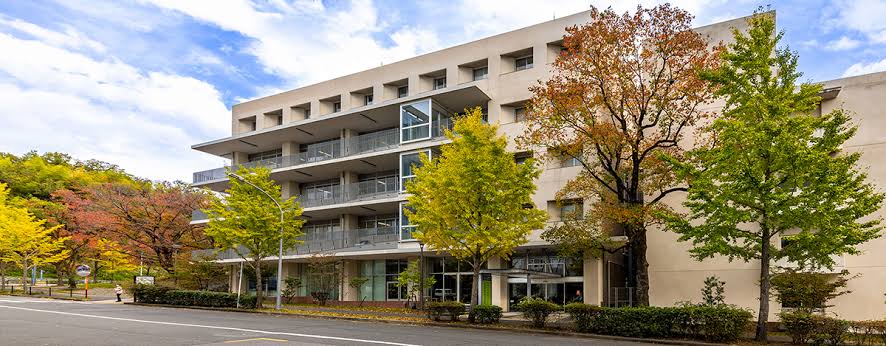
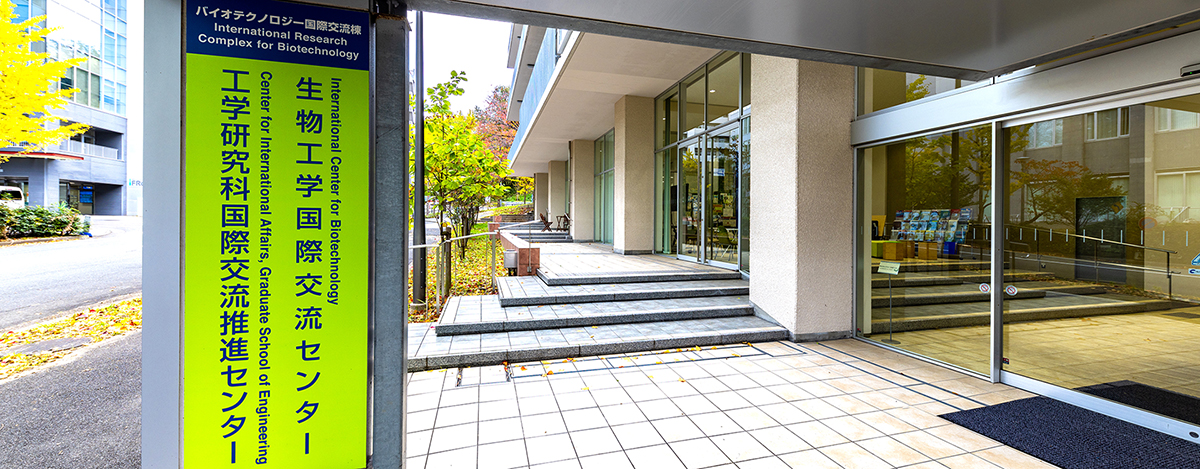
About the International Center for Biotechnology (ICBiotech), University of Osaka
History of the the International Center
The International Center for Biotechnology (ICBiotech), The University of Osaka, traces its origins to the International Center of Cooperative Research and Development in Microbial Engineering (ICME), established within the Faculty of Engineering in 1978. The Center was renamed in 1985 to reflect the expansion of its activities in biotechnology and was formally established as the International Center for Biotechnology in 1995, with a mission to advance academic research, international collaboration, and human resource development in biotechnology.
ICBiotech conducts research primarily in the field of industrial biotechnology, with particular strengths in microbial engineering and plant biotechnology. Its work places strong emphasis on the sustainable utilization of agricultural, forest, and other biological resources, especially in Southeast Asia, while also contributing to the development of technologies and knowledge relevant to sustainable industry and society.
The Center also plays an important role in international education and academic exchange, with the goal of serving as a biotechnology research and education hub in Asia. Through international training programs, researcher and student exchanges, and collaborative research activities, ICBiotech has contributed to the development of young researchers and graduate students across the region.
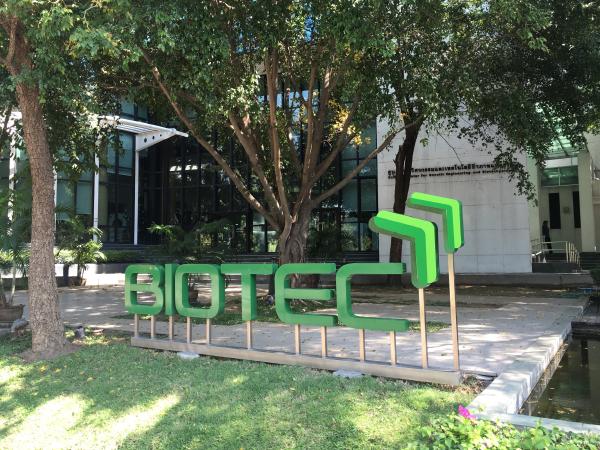
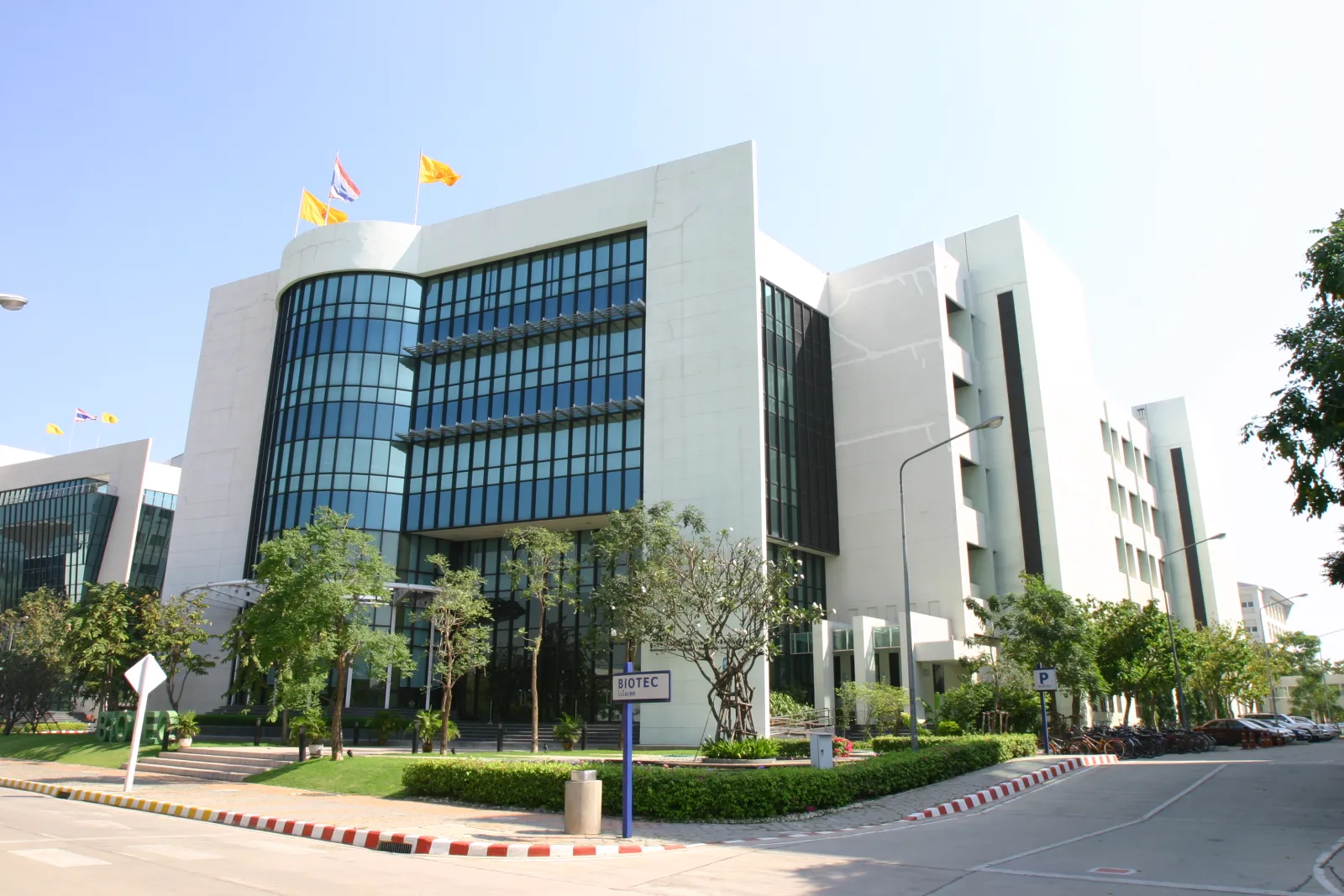
Thailand has been one of ICBiotech’s important partners in Southeast Asia. In 2002, the Center established the Collaborative Research Station (CRS) at Mahidol University, providing a base for field research, academic exchange, and collaborative activities involving Thailand and neighboring countries.
Beyond Mahidol University, ICBiotech has also developed formal and active partnerships with several leading Thai institutions, including Chulalongkorn University, Kasetsart University, King Mongkut’s University of Technology Thonburi (KMUTT), and the National Science and Technology Development Agency (NSTDA). These collaborations encompass joint research, student and researcher exchanges, academic training, and the development of regional biotechnology networks.
Through these long-standing partnerships, ICBiotech has played an important role in strengthening connections between Japanese and Thai researchers, supporting human resource development, and advancing biotechnology research collaboration across Southeast Asia.