Research and Innovation Collaboration between the National Research Council of Thailand (NRCT) and The University of Osaka (UOsaka)
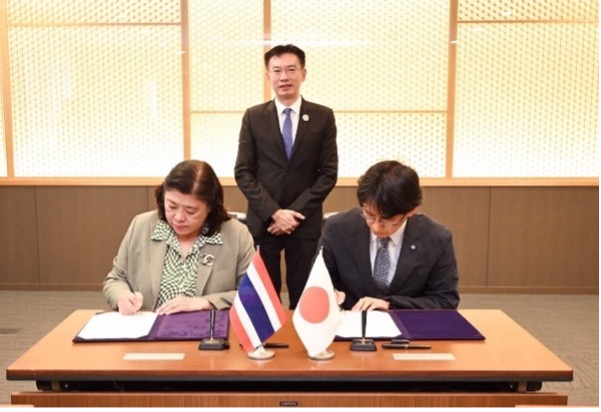
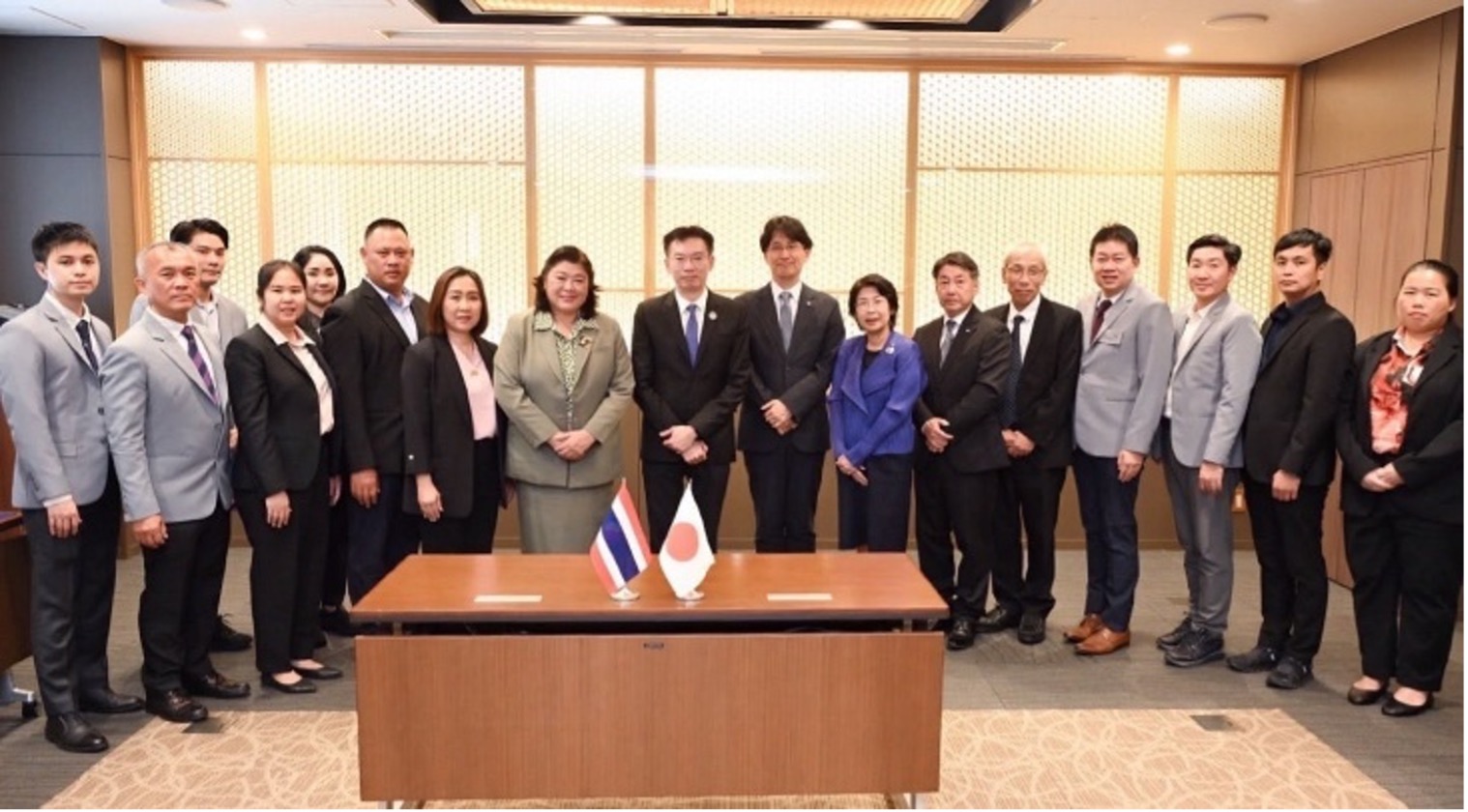
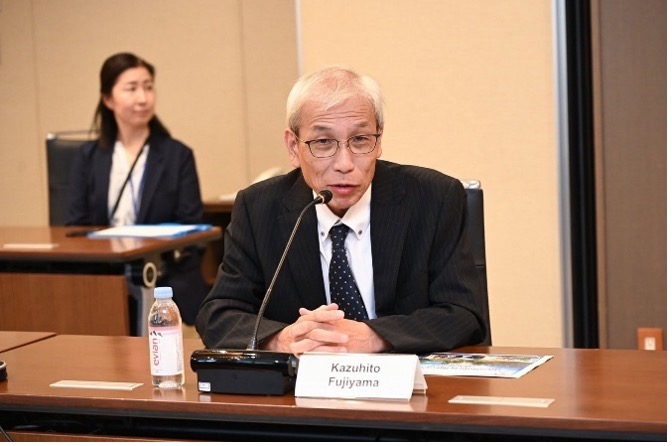
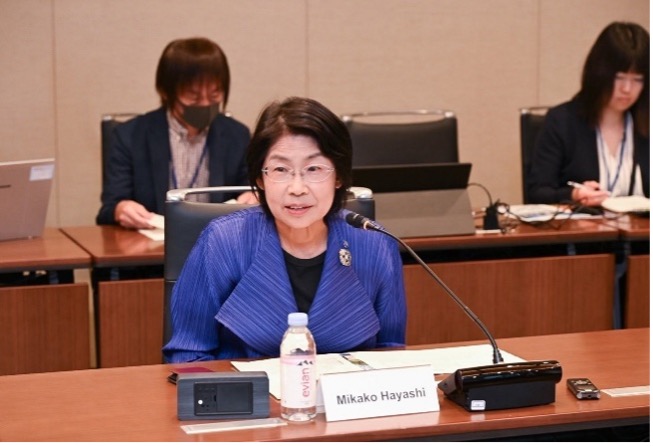
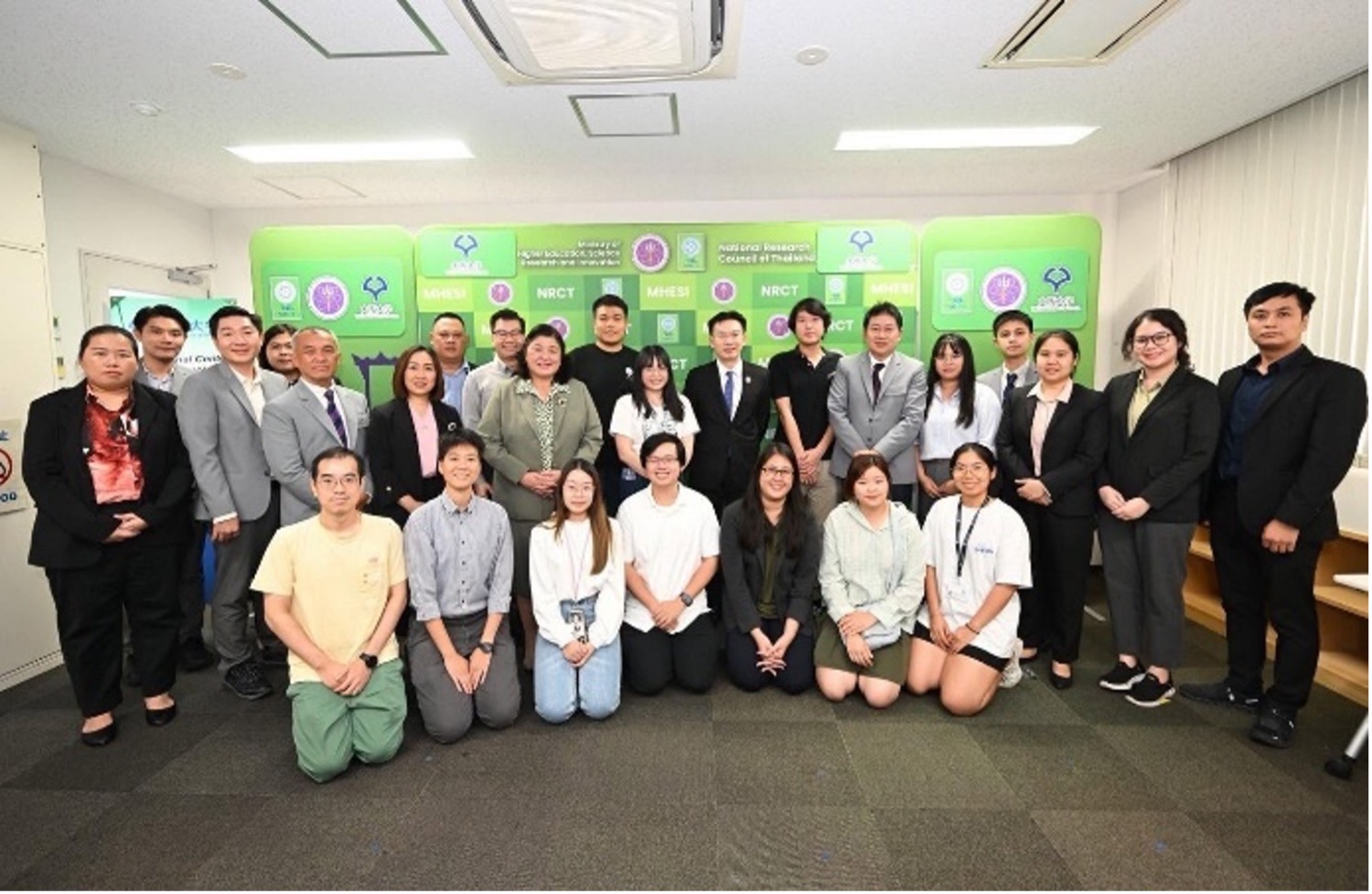
The collaboration between the National Research Council of Thailand (NRCT) and The University of Osaka (UOsaka) represents a strategic partnership aimed at strengthening and advancing relations in science, research, technology, and innovation between Thailand and Japan. The signing of the Letter of Intent (LOI) serves as an important mechanism for expressing the shared commitment of both parties to developing and expanding research and innovation collaboration in a concrete, continuous, and sustainable manner.
The LOI marks an important starting point for establishing a framework for cooperation between NRCT and UOsaka. It aims to connect the capabilities of researchers, academic institutions, and research organizations in both countries in order to jointly develop knowledge, technologies, and innovations that respond to national priorities and emerging global challenges.
Under this framework, both parties have agreed to promote the development of joint research projects, exchanges of researchers and early-career researchers, seminars, conferences, and other academic activities, as well as human resource development and capacity building. The collaboration also seeks to strengthen networks among researchers and research institutions in Thailand and Japan.
Particular emphasis is placed on research areas with strong potential and relevance to future research and innovation priorities, including Medical and Biomedical Sciences, Precision Medicine, Artificial Intelligence and Digital Health, Robotics and Automation, Advanced Materials and Semiconductor Technologies, Biotechnology and the Bioeconomy, Smart Manufacturing, as well as technologies that support ageing societies and the development of future societies.
In addition, collaboration under the LOI can serve as an important mechanism for strengthening Thailand–UOsaka research networks by creating opportunities for researchers from both countries to exchange knowledge, experience, and expertise. It also supports the joint development of research questions and project proposals with the potential to receive funding from both domestic and international sources.
Particular importance is given to multidisciplinary research that can lead to the development of technologies and innovations capable of addressing the needs of industry and society.
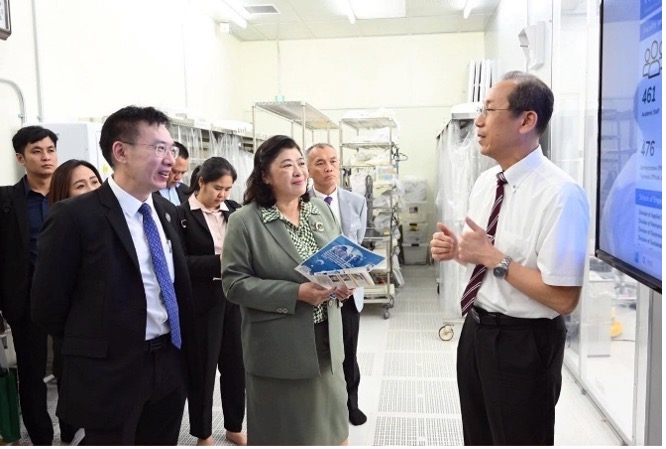
In the area of human resource development, the collaboration can also support exchanges among researchers, early-career researchers, students, and specialists through joint research activities, training programmes, study visits, and laboratory-based research in both Thailand and Japan. These activities will help strengthen scientific and technological knowledge, skills, and experience while fostering a new generation of researchers capable of sustaining and further developing bilateral collaboration over the long term.
Moving forward, NRCT and UOsaka have begun translating this framework into concrete collaborative activities. These include the organization of a Joint Symposium as an initial platform for establishing a Researcher Matching mechanism, which aims to connect Thai and Japanese researchers with complementary expertise and aligned research interests.